Mud, Paws and Porcelain: A Kitchen Floor Guide for Real British Homes

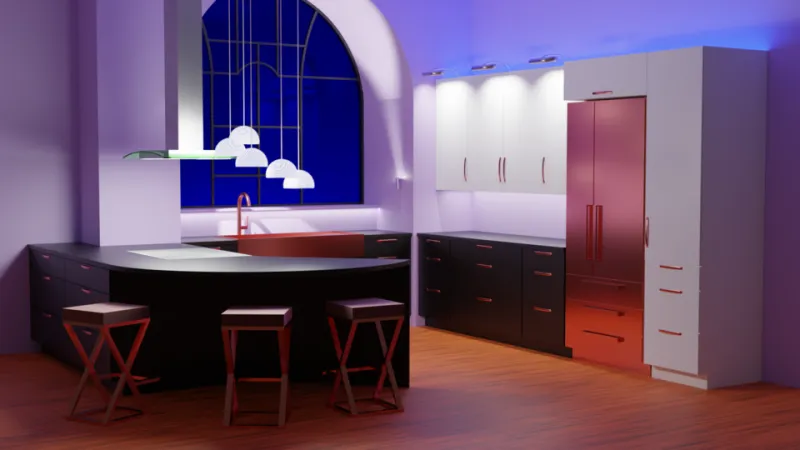
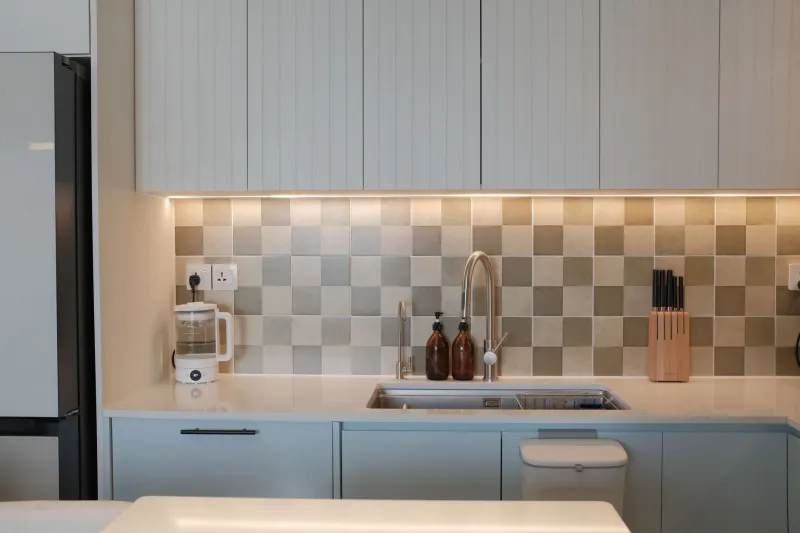
Photo: muddy dog paws kitchen floor porcelain LVT British home, via i.pinimg.com
The kitchen floor takes more punishment than any other surface in the house. It meets wet coats, muddy boots, dog claws, dropped pans, leaked dishwasher water and the grit that comes in from the street between October and March. In a British kitchen, the floor also has to cope with a back door that opens straight into the room and a household that would rather not take its shoes off every time. Here is an honest comparison of the main options for 2026, with the details that matter at the threshold.
The floor starts at the threshold
Before you choose a material, look at the doorway. Is there a step down from the utility or back door? Is there room for a mat well? Will a 10mm tile plus adhesive and backer board clash with the oak floor in the hall? A good kitchen floor can fail at a 5mm lip or a badly sealed door bar. If you are laying underfloor heating, check the system and the finished floor height together. If you have a dog and a back door, plan a landing zone for wet paws before you fall in love with a polished finish.
Porcelain: the low-drama workhorse
Porcelain is the sensible friend of the British kitchen. It is tough, water-resistant and happy with underfloor heating. A textured or matt porcelain with an R10 or R11 slip rating is a good choice for a room with a garden door. Polished porcelain looks smart but is a liability when wet, especially with a dog charging in from the rain.
Expect to pay roughly £35 to £90 per square metre for supply in 2026, and £70 to £140 per square metre fitted, depending on tile size, levelling and whether you need backer boards. Large-format tiles mean fewer grout lines, but the floor must be flat. Grout is the weak point: choose a mid-tone or dark grout and seal it if the manufacturer recommends it. Porcelain is not warm underfoot, so underfloor heating is worth considering if the kitchen is your main living space.
Dog claws are generally fine on porcelain. Dropped cast-iron pans can chip an edge, and a badly laid tile can sound hollow underfoot. The upside is that mud wipes off, water does not warp it and it still looks the same after years of family traffic.
LVT: warm underfoot, fussy about water
Luxury vinyl tile is popular because it is warmer and softer underfoot than tile, and it comes in convincing wood and stone looks. It is also the option most likely to be sold as a quick fix. The difference between a good LVT and a bad one is the wear layer, the backing and the fitting method.
A glue-down LVT with a wear layer of 0.5mm or more is the safer choice for a kitchen. Click-together LVT can be fine, but standing water can get under it. Wet paws and muddy boots are not a problem on the surface; a leaking dishwasher or a forgotten back door left open in a storm is. Check the manufacturer's underfloor heating guidance, including the maximum surface temperature, before you buy.
Costs in 2026 are roughly £25 to £60 per square metre for supply and £50 to £95 per square metre fitted. LVT is comfortable, easy to clean and forgiving of dropped crockery. It can scratch, though, and dog claws will leave marks on softer wear layers. It is a good family floor, but not an immortal one.
Engineered wood: lovely until the dishwasher leaks
Engineered wood gives you the look and feel of timber with more stability than solid boards. It is warm, quiet and kind to feet. It is also the material that makes people say never again after one leak. In a kitchen, water is the enemy, and British weather brings it in at the door.
Expect £45 to £110 per square metre for supply and £80 to £160 per square metre fitted in 2026. Engineered wood can work with underfloor heating if the boards and the system are compatible. A lacquered finish is easier to clean; an oiled finish can be repaired locally but needs more regular care. Dog claws will dull the finish and can dent softer woods. Muddy boots are best stopped at a mat, and a sink or dishwasher leak needs dealing with in hours, not days.
If you want wood in the kitchen, choose a good quality engineered board, leave expansion gaps, seal the edges near the sink and accept that it will age. It will look beautiful. It just will not be the easiest floor in the house.
Natural stone: the long game with a maintenance bill
Natural stone, such as limestone, slate or sandstone, brings character and a sense of permanence. It is also heavier, more porous and more variable than porcelain. Some stones are fine with underfloor heating; others need careful specification. Slate can be slippery when wet unless it has a textured finish. Limestone can stain if it is not sealed.
Costs are wide: roughly £60 to £160 per square metre for supply and £100 to £220 per square metre fitted in 2026, depending on the stone and the laying pattern. You will need to seal it periodically, and you will need to be careful with acidic cleaners. In a busy kitchen with a dog and a back door, a honed or textured stone is more practical than a polished one. Natural stone is a long-term choice. It rewards good maintenance and punishes neglect.
The mud-to-kitchen route
The best floor in the world will struggle if the threshold is wrong. Put a proper mat at the back door. If you can, create a small boot zone with a washable rug or a mat well. Seal the gap between the floor and the skirting or door frame. Check that any door bar sits flush enough not to trip you and high enough not to let water through. If you have underfloor heating, commission it properly and do not cover it with a thick insulating mat.
For cleaning, match the product to the finish. Porcelain and LVT are happy with a damp mop and a neutral cleaner. Engineered wood needs less water. Natural stone needs a pH-neutral cleaner and a reseal every so often. None of them like bleach, abrasive powders or a bucket of water left standing at the door.
The 2026 budget view
If you want the easiest life and a floor that shrugs off mud and paws, porcelain is the safe bet. If you want warmth and a softer feel, LVT is the practical middle ground. If you want wood, engineered boards can work, but plan the water details. If you want stone, budget for sealing and accept the maintenance. In every case, spend a little more on the threshold and the fitting. That is where a kitchen floor really earns its keep.